
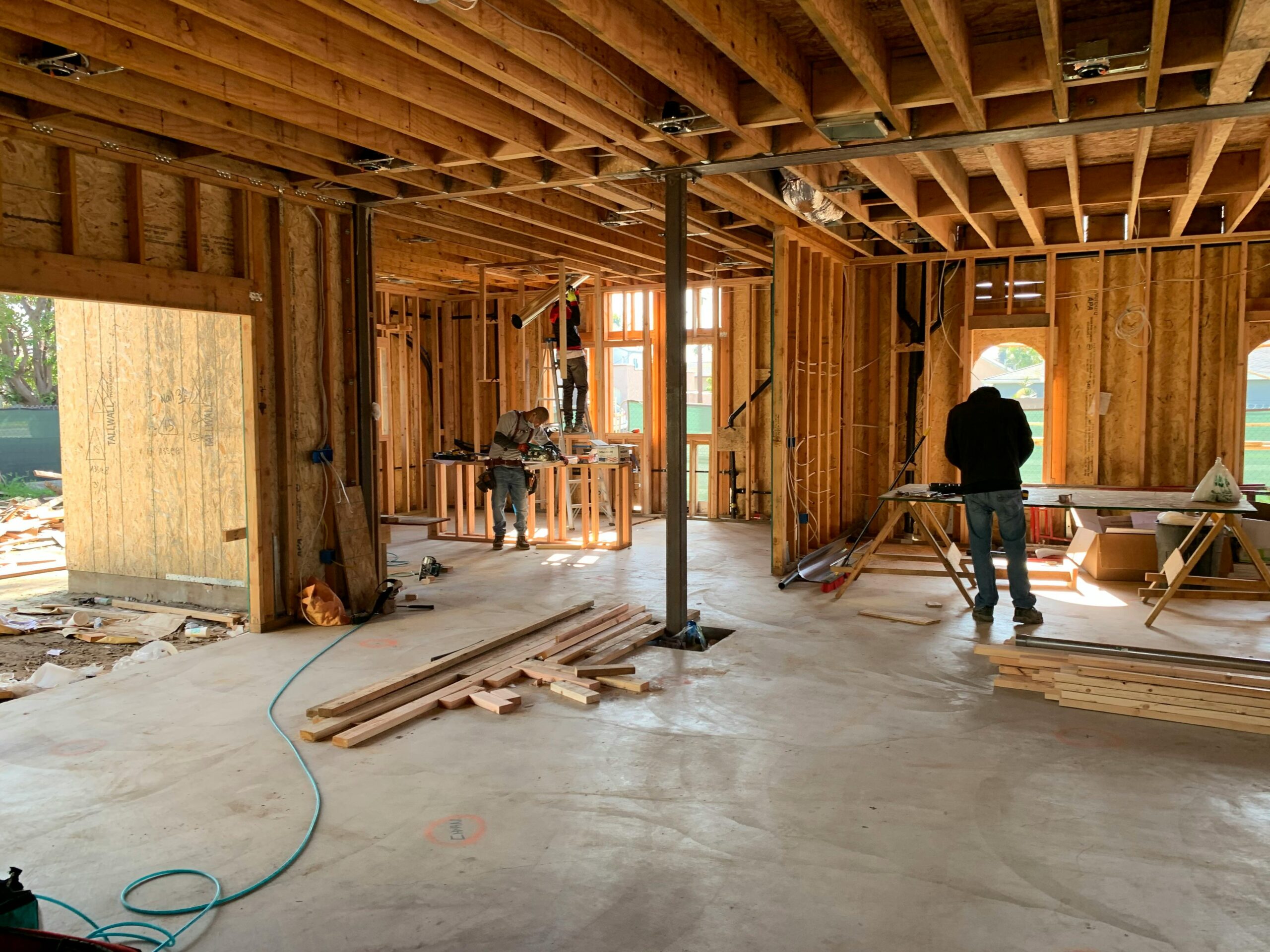
As construction costs continue to rise, many Australian businesses are facing an increasingly overlooked risk: underinsurance in Australia.
For organisations that own, operate or rely on physical assets — whether commercial property, facilities, or infrastructure — the gap between insured values and actual replacement costs is widening. In the event of a major loss, that gap can translate into significant financial exposure.
In a market shaped by inflation, supply chain disruption and ongoing demand for labour, asset values are changing faster than many insurance programs are reviewed.
Why Underinsurance in Australia Is Increasing
Underinsurance doesn’t happen overnight — it builds gradually as costs shift and policies remain static.
For businesses, the issue often stems from how insured values are determined. Many policies are based on historical valuations or indexed increases, rather than current replacement costs.
This creates a disconnect between:
- what assets are insured for
- what it would actually cost to rebuild, repair or replace them today
As a result, underinsurance in Australia is becoming more common — particularly for businesses with property, plant, or infrastructure exposure.
Replacement Cost vs Book Value: A Critical Distinction
One of the most common drivers of underinsurance is confusion between accounting values and insurance values.
- Book value reflects depreciation and accounting treatment
- Replacement cost reflects the real cost to rebuild or replace an asset
Insurance policies are designed to respond to replacement cost — not depreciated value.
If insured values are based on outdated figures or internal estimates, businesses may find themselves significantly undercovered at the point of claim.
This misunderstanding is a key contributor to underinsurance in Australia, particularly in asset-heavy industries.
What’s Driving Rebuild and Replacement Costs Higher
Several structural factors are accelerating cost increases:
- Rising material and labour costs across construction
- Ongoing supply chain disruption affecting availability and pricing
- Increased compliance requirements and building standards
- Higher professional and project management costs
- Demand surges following major weather events
Industry data from Cotality continues to show sustained increases in construction and rebuild costs across Australia.
At the same time, insights from Insurance Council of Australia highlight that underinsurance remains a widespread issue — often only identified after a claim occurs.
Together, these trends are reinforcing the growth of underinsurance in Australia across both commercial and mixed-use assets.
How Underinsurance Impacts Businesses
The consequences of underinsurance extend beyond large catastrophic losses.
In many cases, policies include “average” or co-insurance clauses. This means that if an asset is underinsured, claim payouts may be reduced proportionally — even for partial losses.
For example:
If an asset is insured for 70% of its true replacement value, a claim may only be paid at 70% of the loss.
For businesses, this can lead to:
- Unexpected out-of-pocket costs
- Delays in reinstatement or project recovery
- Pressure on cash flow and capital reserves
- Operational disruption and business interruption
In a worst-case scenario, underinsurance can impact a business’s ability to fully recover after a loss.
How to Avoid Underinsurance in Australia
Managing underinsurance in Australia requires a more proactive and structured approach.
Key steps include:
1. Conduct regular asset valuations
Engage quantity surveyors or valuation professionals to assess current replacement costs — not just rely on indexed policy increases.
2. Align insurance values with real-world costs
Ensure sums insured reflect demolition, materials, labour, professional fees, and compliance costs.
3. Review policies before renewal
Rising costs can outpace annual adjustments. A pre-renewal review helps identify gaps before they become an issue.
4. Understand policy conditions
Be aware of co-insurance clauses, sub-limits, and how claims are calculated in underinsurance scenarios.
5. Consider broader business impact
Look beyond asset replacement — consider how delays or partial payouts could affect operations, contracts and revenue.
A Growing Risk in a Changing Cost Environment
Underinsurance is no longer a static or theoretical issue. It is a dynamic risk shaped by economic conditions, construction costs, and how frequently insurance programs are reviewed.
For Australian businesses, underinsurance in Australia represents a growing exposure — one that often only becomes visible when a claim is made.
Final Takeaway
In an environment of rising costs and shifting risk, relying on outdated insured values can create significant financial consequences.
Understanding and addressing underinsurance in Australia is not just about compliance — it’s about ensuring your business can recover when it matters most.
Where to From Here
If your business holds property, assets, or infrastructure, now is the time to review your coverage.
A proactive assessment today can help identify gaps, align your insurance program with current costs, and reduce the risk of unexpected shortfalls.
Speak to Barrack to ensure your cover reflects real-world asset values — not outdated assumptions.