
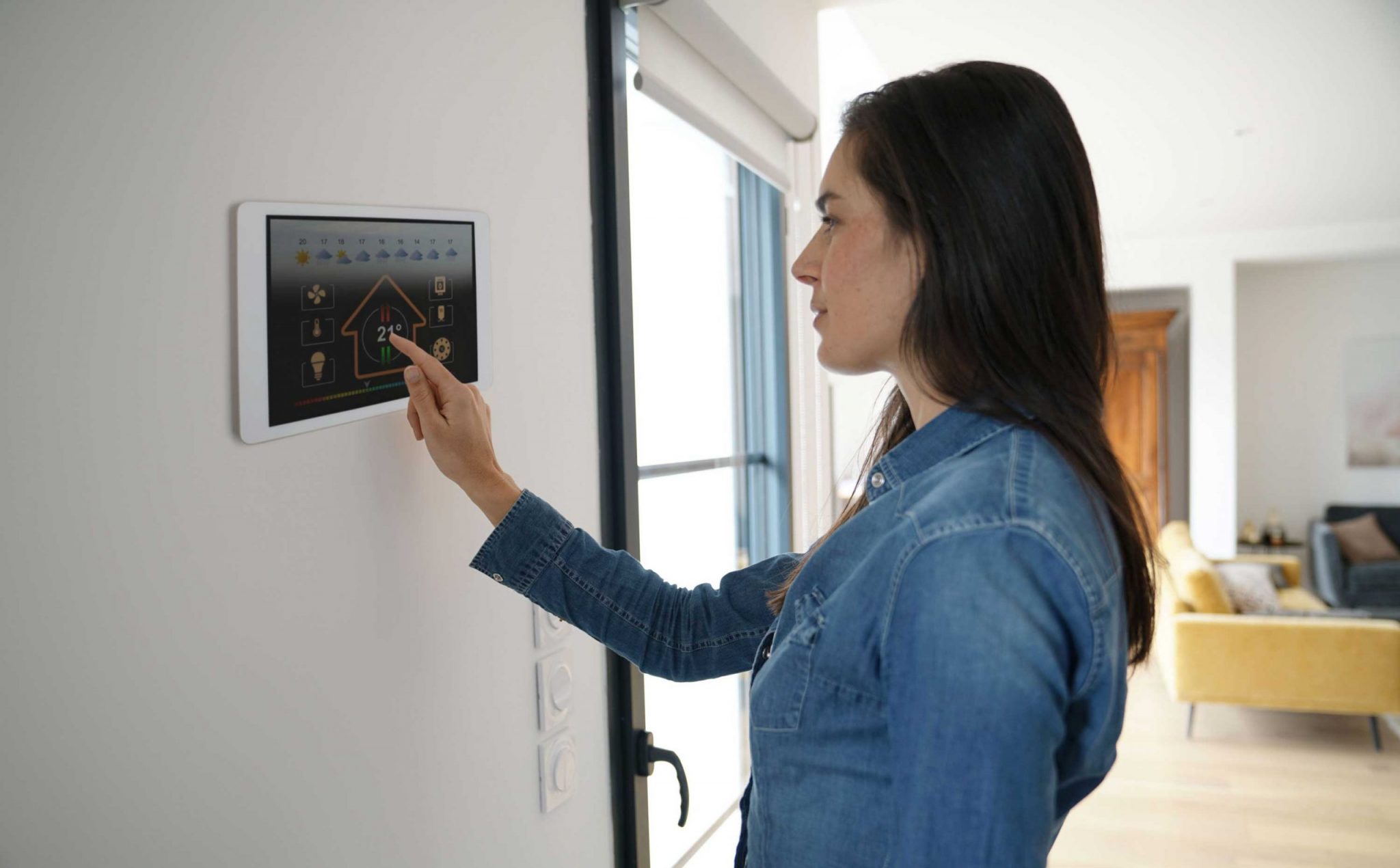
The rise of smart home technology isn’t limited to single-family houses anymore. Strata buildings, apartments, and commercial properties are increasingly incorporating smart devices—from automated lighting and climate control to networked security and access systems. These innovations offer convenience, energy efficiency, and enhanced security and are rapidly shaping the future of smart buildings across Australia. However, with greater connectivity comes a new set of risks—especially when it comes to insurance coverage.
For strata and commercial property managers, this technological shift introduces unique challenges. Smart buildings rely on interconnected devices and networks, creating potential vulnerabilities that traditional insurance policies may not cover. Understanding these risks is essential to protect property, residents, and businesses. A strata insurance broker can check how smart systems are treated in the building’s policy.
The Hidden Risks of Smart Buildings
Smart building systems bring convenience—but also exposure. A few of the key risks include:
- Cybersecurity Vulnerabilities: A compromised system can lead to unauthorised access, data breaches, or property damage. For example, a hacked smart lock could allow intruders into multiple units in a strata complex, or a malfunctioning automated sprinkler system could flood several floors.
- Device Malfunctions: Technology isn’t foolproof. Automated HVAC systems, security alarms, or lighting networks can fail, potentially causing damage to property or creating safety hazards.
- Liability Concerns: If a connected device fails and results in injury or property loss, property managers and owners may be held liable. The complexity increases in multi-unit strata buildings, where one malfunction can affect multiple residents or tenants.
Consider a real case involving a strata building dispute over water damage. In The Owners of Mill Point Strata Scheme 11391 v Magnalaw Pty Ltd, ongoing water leaks from one lot caused damage to other units, leading to legal action to determine the source and responsibility. The issue escalated to the State Administrative Tribunal, with disputes over access, repairs, and liability.
Situations like this highlight how a single failure—whether from building defects, plumbing systems, or increasingly, smart monitoring technology—can impact multiple lots and trigger complex insurance and liability outcomes.
Insurance Implications for Strata and Commercial Properties
For strata managers, the biggest challenge is determining whether their existing policies address smart building risks. Without the right coverage, claims related to smart devices may be denied or only partially reimbursed. Some insurers now offer cyber liability endorsements or specialist policies for smart buildings, but these need to be explicitly requested.
Commercial property owners face similar concerns. Smart buildings with integrated IoT systems—such as energy management, access control, or security cameras—may have complex insurance needs. A single system failure can halt operations, disrupt tenants, and result in significant financial loss. Insurance coverage that doesn’t account for these scenarios can leave property owners exposed to unexpected costs.
Best Practices for Managing Smart Property Risks
Managing smart property risks requires a proactive approach. Here are key steps:
- Implement Robust Cybersecurity Measures:
Ensure all smart systems have up-to-date software and strong password protection. Network segmentation can isolate smart devices from critical building systems, reducing vulnerability.
- Conduct Regular Device Audits:
Schedule periodic checks to ensure devices are functioning correctly and safely. Keep detailed records of maintenance, updates, and any system changes.
- Review and Update Insurance Policies:
Work with your insurance broker to confirm whether your current coverage includes cyber liability, smart device failures, or related property damage. Consider endorsements or specialist policies where necessary. Some insurers now provide coverage specifically for strata or commercial smart properties, including protection against network intrusions and connected device malfunctions.
- Educate Residents and Tenants:
Include guidance on smart device usage in tenancy agreements or strata by-laws. Clear communication reduces the risk of misuse and demonstrates proactive risk management.
- Plan for Emergencies:
Even with preventive measures, things can go wrong. Have a response plan for device failures, cyber incidents, or system malfunctions to minimise property damage and disruption. Consider building redundancy into critical systems, such as backup power or manual overrides.
- Stay Informed About Technology Trends:
The pace of IoT innovation is rapid. Property managers should stay updated on emerging devices, potential vulnerabilities, and new regulatory requirements affecting smart buildings. Being proactive reduces both risk and insurance surprises.
Future-Proof Your Property
Smart technology can significantly increase the value and appeal of a property—but only if the associated risks are managed effectively. For strata and commercial property managers, insurance is not just a compliance exercise; it’s a critical component of risk management.
Ensuring adequate coverage today protects against the complex and evolving risks of tomorrow. As smart devices become standard in residential and commercial properties, the stakes for underinsurance or policy gaps will only grow. Property owners and managers who invest in proactive risk management, cybersecurity, and tailored insurance coverage are better positioned to protect their buildings, tenants, and financial interests.
Don’t leave your smart property exposed. Contact Barrack today to review your insurance coverage and ensure all your smart systems—and the people who rely on them—are fully protected.