
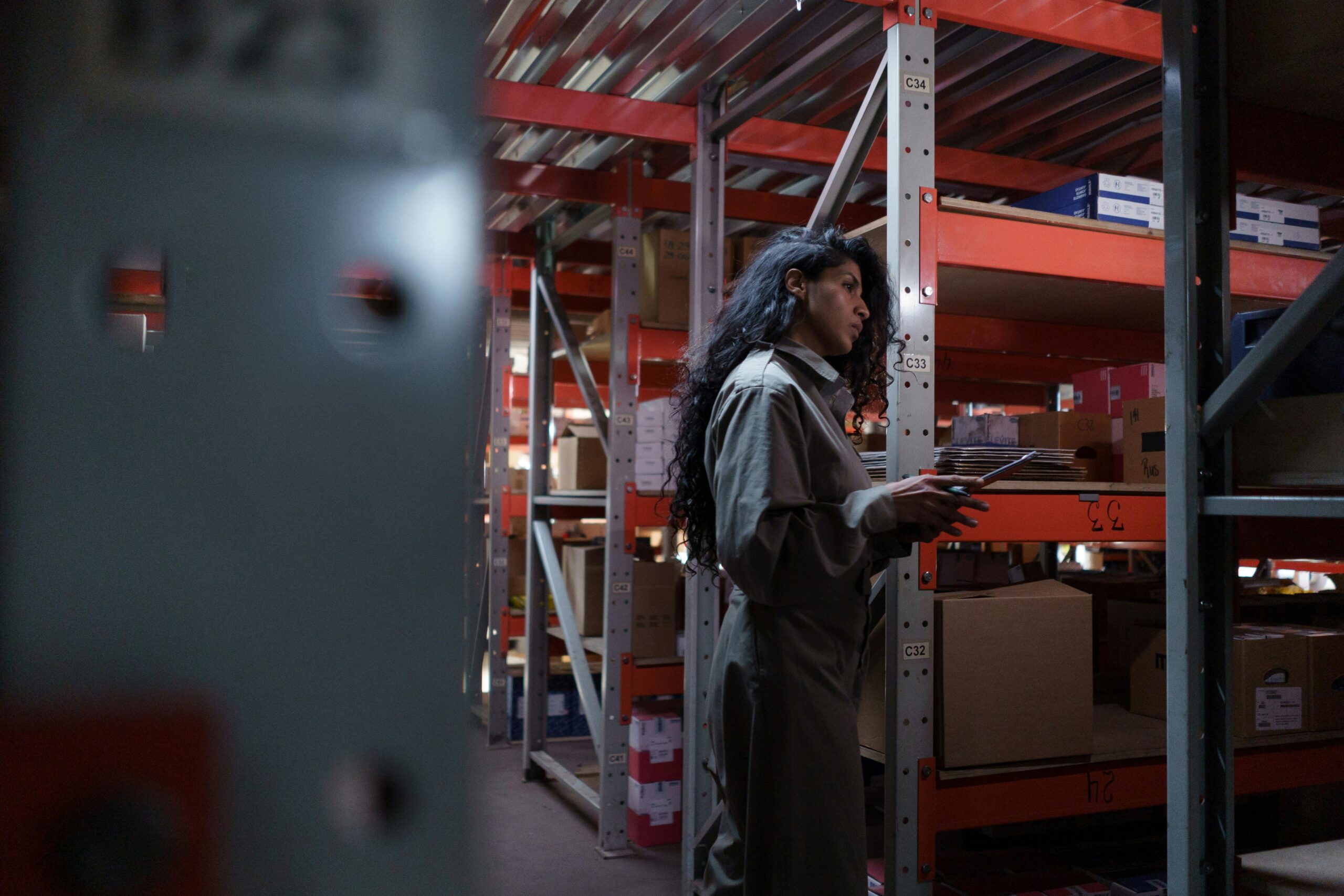
What Australian Business Owners Should Know
If you run a small or medium-sized business in Australia, you’ve probably been asked for a certificate of public liability insurance at some point.
Maybe it was a landlord.
Maybe it was a council permit.
Maybe it was a contract requirement.
For many SMEs, public liability insurance feels like something you “need to have” — but not everyone stops to ask why, or whether the cover they hold actually reflects the risks they carry.
Here’s what it really means for your business.
What Public Liability Insurance Actually Covers
At its core, public liability insurance protects your business if someone outside your organisation claims they were injured or their property was damaged because of your business activities.
That could be:
- A customer slipping in your shop
- A subcontractor damaging a client’s property
- A sign falling and hitting a parked vehicle
- A product causing physical injury
Businesses that manufacture, sell or supply goods also operate within the framework of Australian Consumer Law, which sets out consumer guarantees and product safety standards. Guidance on these obligations is provided by the Australian Competition and Consumer Commission. Where a product causes injury or property damage, liability exposure can extend beyond the point of sale.
These incidents don’t have to be dramatic. In fact, most aren’t.
But once lawyers become involved, costs escalate quickly — even if the claim is later withdrawn.
For SMEs operating without large financial reserves, those legal costs alone can create serious pressure.
Why It Matters More Than Many Owners Realise
Large corporations absorb risk differently.
SMEs don’t have that luxury.
A single claim can impact:
- Cash flow
- Ongoing operations
- Contract eligibility
- Reputation
In many industries across Australia, public liability insurance isn’t technically “mandatory,” but practically speaking, it is.
You’ll often need it to:
- Lease commercial premises
- Work on building sites
- Provide services at public venues
- Participate in markets or events
- Secure supplier agreements
Without it, opportunities narrow quickly.
Where Business Owners Get Caught Out
One of the most common misunderstandings we see is assuming public liability insurance covers “anything that goes wrong.”
It doesn’t.
Public liability insurance for SMEs is designed for third-party injury or property damage. It does not typically cover:
- Errors in professional advice
- Employee injuries
- Damage to your own equipment
- The cost to fix faulty workmanship
That’s where broader small business insurance planning becomes important. Policies need to work together, not leave gaps between them.
How Much Cover Is Enough?
We’re often asked whether $10 million is enough, or whether $20 million is excessive.
The answer depends on what you actually do.
A home-based marketing consultant has a very different exposure profile to a contractor working on multi-storey commercial builds.
A local café carries different risk to a food manufacturer distributing nationally.
The appropriate limit for public liability insurance for SMEs should reflect:
- Your industry
- Your physical interaction with the public
- Your contractual obligations
- Your turnover and scale
Choosing the lowest available limit simply to reduce premium can create problems later — especially if a contract requires higher cover.
What Influences the Cost
Public liability insurance cost is usually influenced by:
- Industry classification
- Annual revenue
- Claims history
- Nature of business activities
- Risk management practices
Two businesses with similar turnover can pay very different premiums depending on what they actually do day to day.
Insurers assess exposure, not just revenue.
It’s Not About Expecting the Worst
Many SME owners are practical people. They manage risk every day — in staffing, supply chains, and operations.
Public liability insurance sits in that same category.
It’s not about assuming something catastrophic will happen.
It’s about recognising that accidents do occur, and when they do, the financial consequences can be disproportionate to the event itself.
A minor injury can lead to months of legal correspondence.
A simple property damage claim can involve multiple parties.
Having the right liability insurance cover in place allows you to deal with the issue properly — without it consuming the business.
A More Useful Question
Rather than asking, “Do I need public liability insurance?”
A more useful question is:
If something happened tomorrow, could my business comfortably absorb the cost?
For most SMEs, the honest answer is no.
Public liability insurance for SMEs is ultimately about protecting continuity — not just compliance.
Final Thoughts
Public liability insurance is often one of the first policies an SME purchases, and one of the least reviewed over time.
As businesses grow, change services, enter new markets or sign larger contracts, exposure shifts.
Cover should evolve with it.
If you’re unsure whether your existing liability insurance cover still reflects how your business operates today, reviewing it with a broker who understands SME risk can provide clarity — and often uncover gaps that aren’t immediately obvious.
If you’d like a practical review of your current public liability insurance and how it aligns with your business activities, speak with the team at Barrack.