
Strata insurance has always been about shared risk.
Shared walls. Shared infrastructure. Shared responsibility.
What’s changing is the nature of that risk.
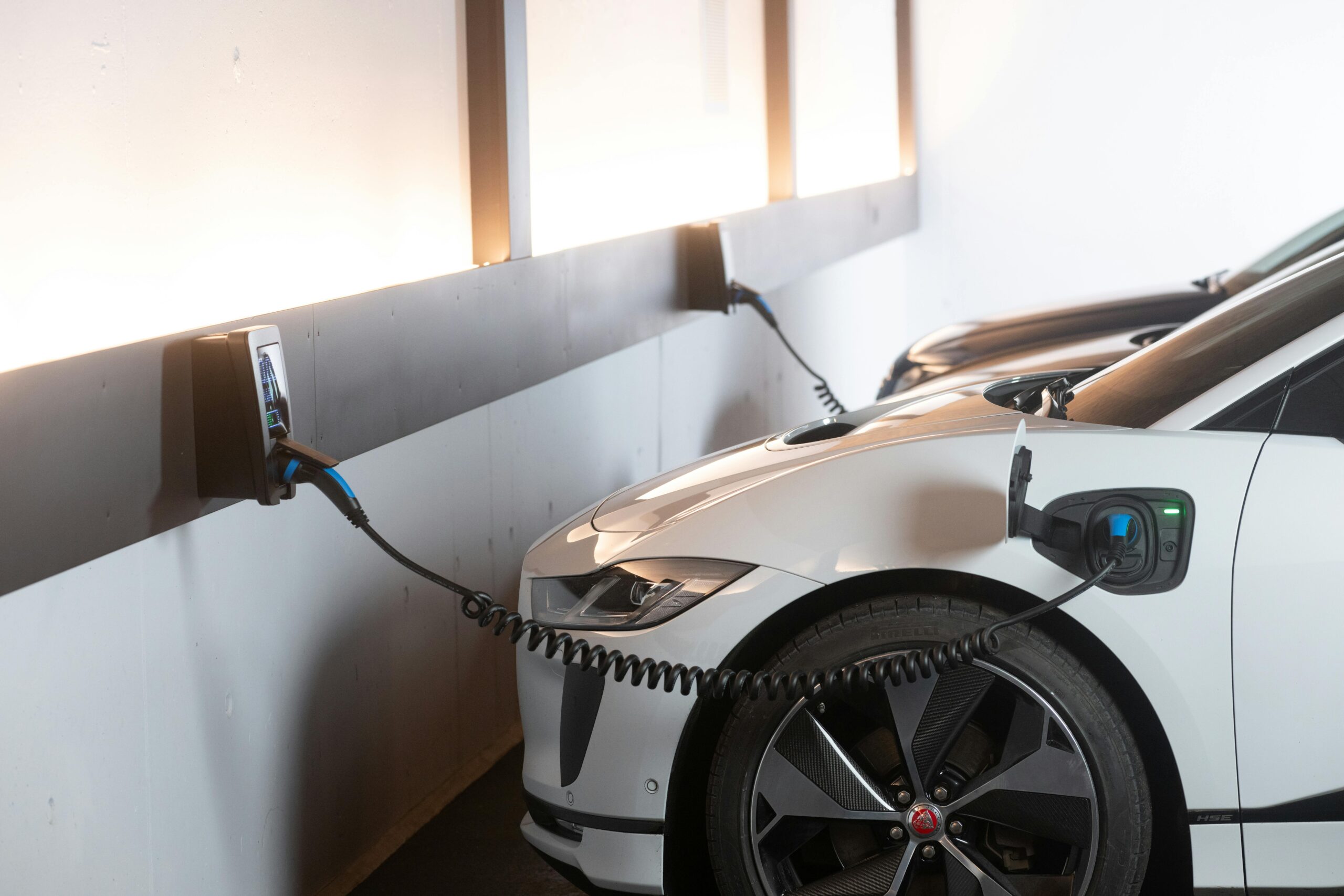
Across Australia, residential and commercial strata buildings are installing EV chargers in basement carparks, adding solar battery storage, and accommodating everything from e-bikes to electric delivery fleets. Electrification is becoming standard — particularly in newer developments and mixed-use buildings.
And while these upgrades make sense environmentally and commercially, they’re quietly reshaping how strata insurance is assessed. Industry bodies continue to publish guidance on EV infrastructure and battery storage standards as adoption accelerates across Australia.
The Conversation Most Committees Aren’t Having
When EV charging comes up at a strata meeting, the discussion usually centres on sustainability, resale value or future-proofing the building.
Rarely does it begin with insurance.
Lithium-ion batteries are efficient and widely used. They power vehicles, tools, storage systems and mobility devices. But when something goes wrong — whether through damage, poor installation or overheating — they behave differently to conventional electrical faults.
A lithium-ion battery fire burns hotter. It can release toxic gases. It can reignite.
In a detached home, that’s serious. In a basement carpark under a multi-storey building, the implications widen quickly.
Strata insurance doesn’t exist in isolation from these realities.
Australian consumer safety authorities have also issued national guidance on lithium-ion battery safety as incidents have increased.
Where the Risk Is Actually Appearing
In residential strata schemes, exposure often starts small.
One owner installs an EV charger. Another begins charging an e-bike in their storage cage. A new development includes shared solar storage as a selling point.
Individually, these seem manageable.
But insurers don’t assess individual lots — they assess buildings.
Commercial strata properties introduce another layer. Fleet charging stations. Shared loading docks. Tenants storing battery-powered equipment. Larger battery storage arrays tied to rooftop solar systems.
The risk isn’t simply that lithium-ion batteries exist. It’s whether the building’s infrastructure and governance have kept pace.
How This Filters Into Strata Insurance
Most strata insurance policies respond to fire damage regardless of ignition source. That hasn’t changed.
What has changed is underwriting scrutiny.
Insurers increasingly want to understand:
- How EV chargers are installed
- Whether electrical capacity has been reviewed
- What fire detection systems exist in enclosed spaces
- Whether upgrades were disclosed
Not because electrification is unacceptable — but because unmanaged change creates uncertainty.
Strata insurance pricing reflects certainty. Buildings that can demonstrate oversight, engineering input and proper disclosure tend to avoid unpleasant renewal surprises.
Buildings that can’t often face questions they weren’t expecting.
Governance Is Becoming a Coverage Issue
Approving EV infrastructure is no longer just a facilities decision.
It’s a governance decision.
If a charger is installed without formal approval and later contributes to a claim, responsibility can become blurred. Lot owner? Owners corporation? Installer? Insurer?
Strata insurance is designed to respond to physical damage. It doesn’t eliminate disputes around process.
Clear by-laws. Documented approvals. Professional certification. These aren’t bureaucratic hurdles — they’re protection mechanisms.
In the current market, they also influence how insurers view your building.
The Broader Insurability Question
Strata insurance across Australia has already faced pressure from catastrophe exposure and market tightening. Emerging risks like lithium-ion battery fires add another dimension.
No insurer is suggesting buildings avoid electrification altogether.
But there is an expectation that risk management evolves alongside infrastructure.
A building with multiple undocumented chargers in an enclosed carpark and ageing fire systems presents differently to a building that has upgraded detection, reviewed electrical load and formally notified its insurer.
Same technology. Very different underwriting conversation.
Frequently Asked Questions About Lithium-Ion Battery Risk and Strata Insurance
Does strata insurance cover lithium-ion battery fires?
Generally, yes. Fire damage is typically covered under strata insurance policies. Where complexity arises is around compliance and disclosure. If installations were not approved or certified, insurers may examine the circumstances more closely at claim time.
Will EV chargers automatically increase strata insurance premiums?
Not automatically.
Premium impact depends on scale, installation quality and building infrastructure. A professionally installed charger supported by adequate fire systems is viewed differently to informal electrical modifications.
Strata insurance pricing reflects risk management, not simply technology presence.
Who is responsible if an e-bike causes a fire in a strata building?
It depends on origin and impact.
If a device inside a private lot ignites, the lot owner’s contents insurer may respond first. If common property is damaged, strata insurance may be triggered. Clear governance helps avoid prolonged disputes between policies.
Should insurers be notified before installing EV charging stations?
Yes — particularly where common property or shared electrical systems are involved.
Strata insurance policies rely on disclosure of material changes. Engaging early prevents uncertainty later.
Are lithium-ion batteries excluded from strata insurance?
Typically, no. But insurers may apply conditions depending on the building’s risk profile. Every strata insurance program should be reviewed in light of recent upgrades.
Before You Approve the Next Upgrade
Electrification is accelerating. That won’t reverse.
The question for strata committees and commercial property owners isn’t whether to adopt new technology — it’s whether the building’s risk framework is evolving at the same pace.
Strata insurance should reflect how the property actually operates today, not how it operated five years ago.
At Barrack, we work with residential and commercial strata clients to review emerging exposures, clarify disclosure obligations and ensure strata insurance arrangements align with real-world building use.
If your building has introduced — or is considering — EV charging, battery storage or similar upgrades, it may be time to revisit your strata insurance position.
Not reactively. Proactively.
Get in touch with the Barrack team today to understand what this means for you.