
Imported Structural Steel Risks in Australia’s Construction Sector
Structural steel sits at the heart of Australia’s construction sector. It is used in commercial buildings, warehouses, bridges, industrial facilities and major infrastructure projects. When it performs as expected, it is invisible. When it does not, the consequences can be significant.
In recent years, scrutiny around imported structural steel in Australia has increased — particularly where steelwork is supplied without clear evidence that it meets Australian Standards. The issue is not new, but it is becoming more visible across construction and infrastructure projects nationwide.
Why Imported Structural Steel Is Under Greater Scrutiny
Imported structural steel has long been part of Australia’s supply chain. The concern is not origin — it is verification.
Guidance from the Australian Steel Institute has highlighted situations where imported steel has arrived on site without adequate documentation, testing records or traceable certification. Where compliance cannot be clearly demonstrated prior to installation, project teams are forced into reactive verification, often after fabrication has already occurred.
When documentation gaps surface late, project risk increases quickly.
Where the safety risks emerge
Structural steel is designed to handle load, movement and environmental stress over decades. If materials or fabrication methods fall short of required specifications, problems may not be obvious immediately.
Instead, risks tend to show up later, during installation, under load, or years after a structure is completed.
Issues linked to unverified imported structural steel can include:
- incorrect material grades
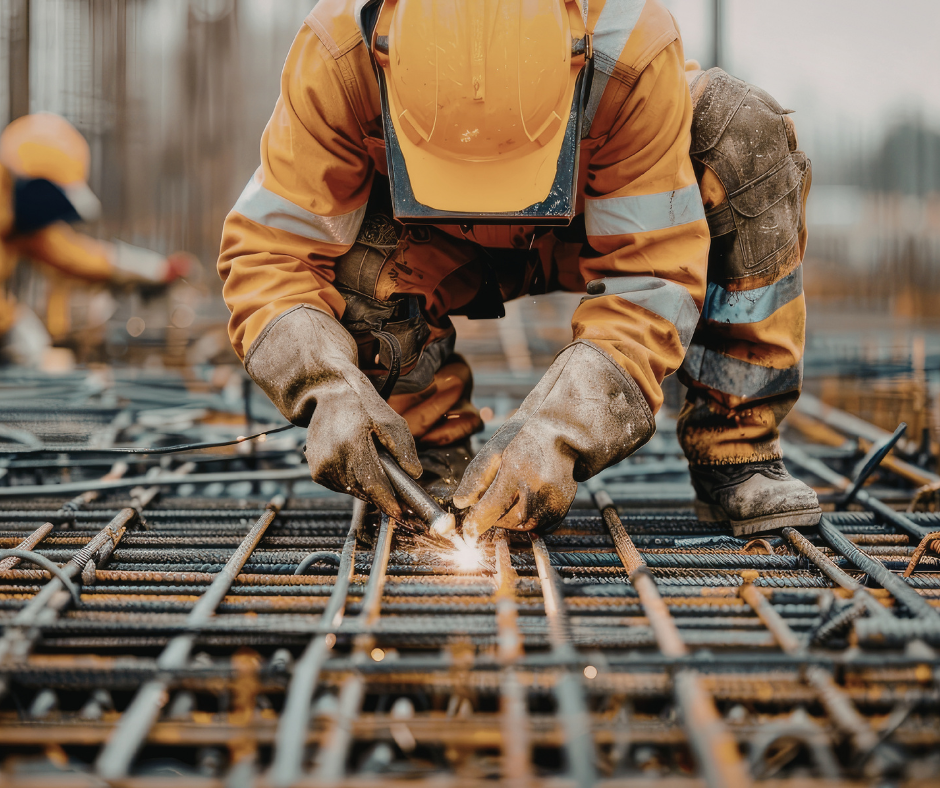
- inconsistent or poor-quality welding
- limited or missing inspection records
- steel fabricated to overseas standards that don’t align with Australian requirements
In the most serious cases, authorities have warned this can contribute to structural failure or collapse. These are not theoretical risks, and they are not limited to a single type of project.
Australian Standards exist for a reason
Australia has well-established standards governing structural steel, including AS 4100 – Steel Structures. These standards set clear expectations around material properties, fabrication processes and quality control.
Local fabricators operate within these frameworks every day. When imported structural steel is introduced without the same level of oversight, it creates gaps, not just in documentation, but in accountability.
We often see these gaps surface when:
- steel arrives on site and certification is incomplete
- engineers request additional testing late in the project
- auditors or certifiers raise questions that can’t be easily answered
By that point, options are limited and costs escalate quickly.
Cost savings don’t always tell the full story
There’s no ignoring the commercial pressure many construction projects are under. Imported structural steel can look attractive on paper, particularly when budgets are tight and timelines are compressed.
But where quality assurance is lacking, early savings can disappear fast.
Rectification works, delays, redesigns, disputes and compliance issues can all follow, creating risk exposure across construction and infrastructure projects that extends well beyond procurement.
This is where material decisions start to overlap with contractual, legal and operational risk.
What this means for project teams
The growing scrutiny around imported structural steel is a reminder that risk doesn’t stop at price or delivery.
For developers, builders, engineers and project managers, managing this risk means asking harder questions earlier:
- Has the steel been fabricated to Australian Standards?
- Is certification complete and traceable?
- Have inspections and testing been independently verified?
When these questions aren’t resolved upfront, responsibility can end up shared — and disputed — across multiple parties.
Taking a more risk-aware approach
This conversation isn’t about excluding imports or favouring one supplier over another. It’s about recognising that structural steel is a safety-critical material, and that verification is a control, not an afterthought.
Across Australian construction and infrastructure projects, a more risk-aware approach to imported structural steel helps protect workers, supports compliance, and reduces the likelihood of costly surprises later on.
Often, it’s the issues that seem minor at the procurement stage that become the hardest to unwind once a project is underway.
You can learn more about Barrack’s expertise in construction insurance here.