
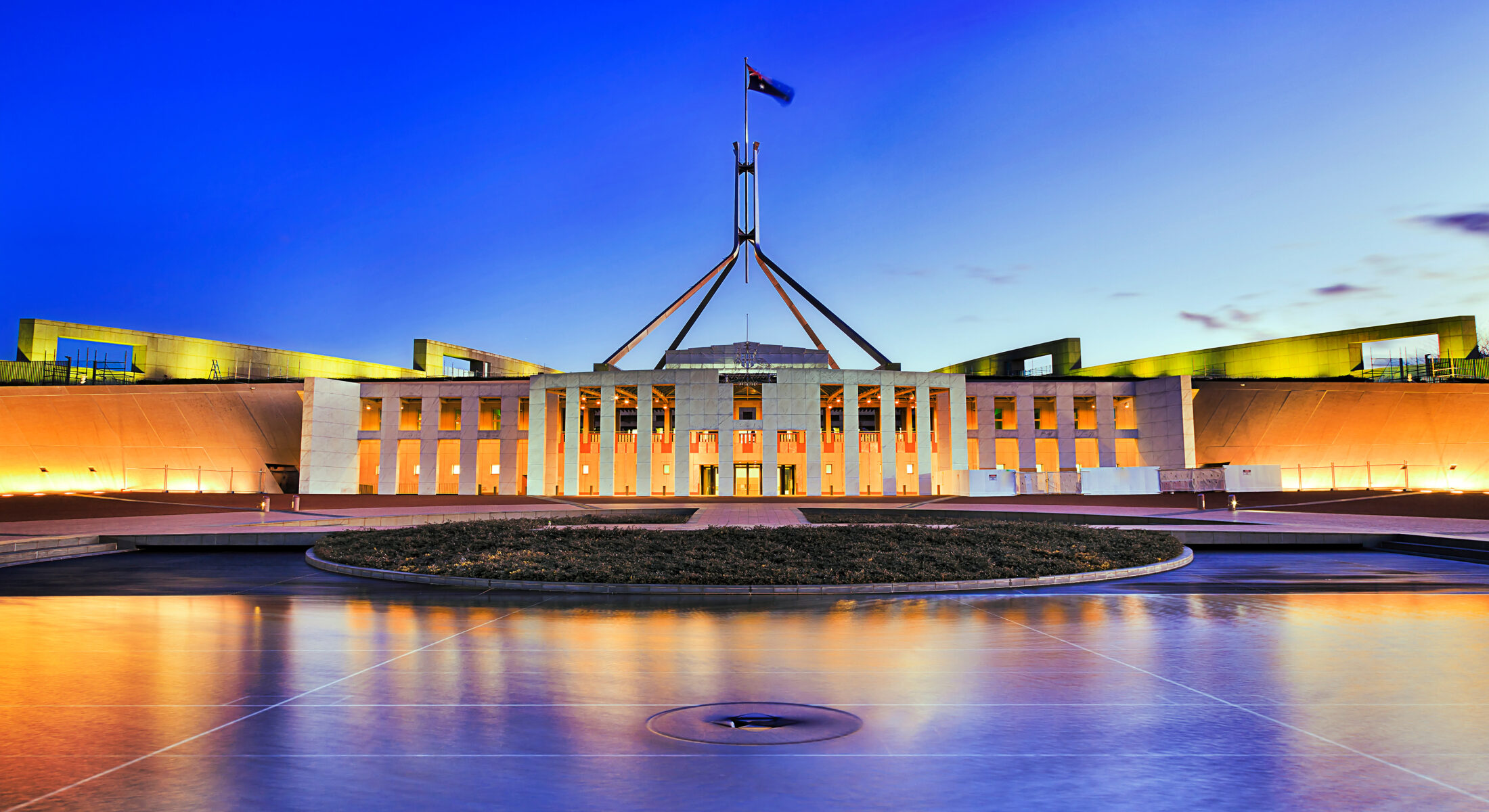
As Australia moves closer to the 2026–27 Federal Budget, most commentary will focus on tax settings, cost-of-living relief and major spending announcements. For business leaders, however, the Budget often signals something broader: where pressure is building, where reform may be coming, and what operating risks may emerge next.
That is particularly relevant in 2026, with a coalition of major industry associations warning that Australia needs policies that support productivity, investment and competitiveness. In their recent pre-budget submission, the Alliance of Industry Associations stated that “Australia’s economy is facing significant challenges” and called for reforms to improve long-term growth.
For many organisations, those economic challenges already translate into commercial risk.
Why the Federal Budget Matters to Business Risk
The Federal Budget is more than a financial statement. It helps shape settings for infrastructure, housing, skills, digital capability, energy , and business productivity.
Those themes often flow directly into corporate insurance exposure.
For example:
- Infrastructure spending can affect project pipelines, contractor availability and delivery timeframes
- Skills policy can influence labour shortages and workforce risk
- Digital investment can increase cyber reliance and business interruption exposure
- Housing measures can place pressure on rebuild costs and property valuations
- Climate resilience funding can affect catastrophe planning and asset protection strategies
For businesses, slower growth environments can heighten pressure on margins, investment decisions and risk tolerance.
1. Labour Pressure Still Creates Insurance Challenges
Many sectors continue to feel workforce strain, particularly construction, transport, healthcare, hospitality and regional operations.
When labour markets tighten, organisations often rely more heavily on subcontractors, temporary labour or accelerated onboarding. That can create secondary risks such as:
- Increased workplace incidents
- Training gaps
- Higher workers compensation exposure
- Delays in project delivery
- Greater management strain
- Inconsistent contractor controls
For many businesses, staffing pressure is no longer just an HR issue — it is a governance and risk issue.
2. Property Costs and Underinsurance Remain a Major Concern
One of the most common risks facing Australian businesses today is underinsurance.
Many declared values have struggled to keep pace with:
- Higher construction costs
- Trade shortages
- Material price volatility
- Stricter building standards
- Longer rebuild timeframes
- Increased professional fees following loss events
For commercial property owners, investors, strata committees and operating businesses, that reinforces the need to review declared building and asset values regularly rather than relying on historic figures.
3. Cyber Risk Is Now an Everyday Business Exposure
As businesses continue to digitise operations, cyber exposure continues to grow.
That means more organisations now face exposures such as:
- Ransomware
- Funds transfer fraud
- Email compromise
- Operational downtime
- Privacy breaches
- Third-party supplier disruption
- Reputational fallout following incidents
Cyber risk is no longer limited to large corporates. Mid-market businesses, professional firms, property groups and industrial operators are increasingly exposed.
4. Infrastructure and Growth Can Create Opportunity — and Risk
Where budgets support transport, logistics, energy or housing delivery, many businesses benefit through increased demand.
But growth periods can also create pressure points:
- Contract risk
- Supply chain delays
- Equipment shortages
- Professional liability exposures
- Cash flow strain during expansion
- Increased fleet and plant utilisation
- More complex subcontractor ecosystems
Growth is positive — but unmanaged growth can expose gaps in insurance structure, limits and policy design.
5. Why This Matters at Renewal Time
Insurance programs are often reviewed annually, but business risk changes continuously.
Economic policy shifts can accelerate trends already underway. That may mean:
- Asset values need updating
- Revenue changes affect exposure calculations
- New contracts require review
- Cyber limits may be outdated
- Workforce changes alter liability exposures
- Expansion creates new risk categories
- Existing policy structures no longer align with operations
A renewal process should do more than compare premiums. It should assess whether cover still reflects the organisation as it operates today.
Looking Beyond Budget Night
Once the Federal Budget is handed down, there will be strong focus on headline winners and losers. For businesses, the more practical question is often:
What does this mean for our risk profile over the next 12 months?
That is where strategic insurance advice becomes valuable.
How Barrack Helps
At Barrack, we work with business leaders to align insurance programs with changing operating realities — whether that is growth, workforce pressure, asset inflation, cyber exposure or evolving contractual risk.
If your operations, workforce or asset base have changed over the past year, your insurance program may need to change with it. As a corporate insurance broker, Barrack Broking tracks these budget measures for larger clients.
Speak with Barrack to review whether your cover is keeping pace with the risks ahead.