
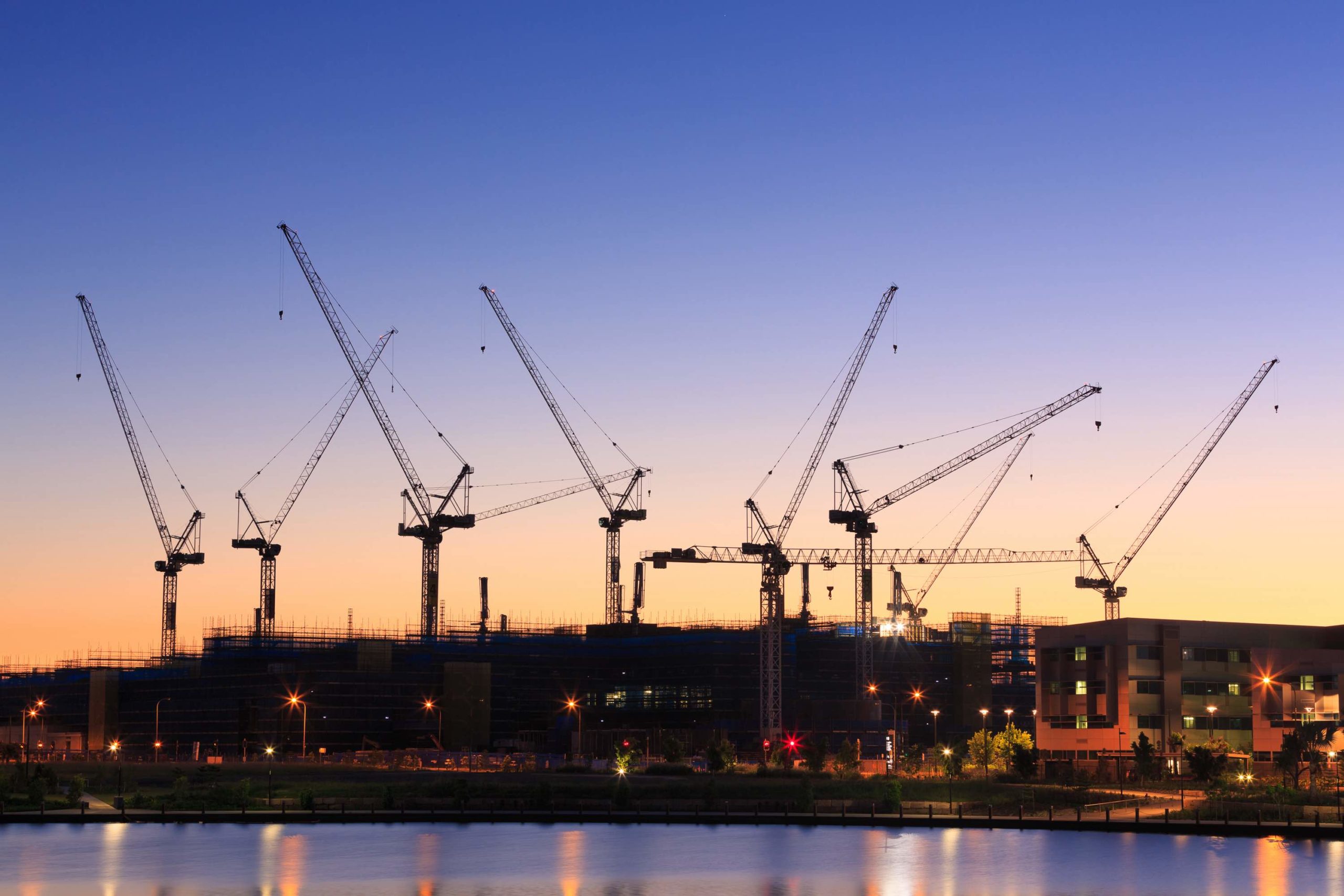
Building costs in Australia rose about 30% in the five years to March 2026, against consumer price inflation of about 24% over the same period. The figures come from the Insurance Council of Australia’s annual catastrophe resilience report for 2025–26, released in September 2026, which finds that repair work after extreme weather is now competing with new housing for the same materials, trades and construction capacity.
The report focuses on homes, but the cost pressures it describes apply to any building that needs repair or replacement. For business owners, rising rebuild costs bear directly on how property is valued for insurance, how long repairs may take and what premiums look like at renewal. These are the issues an independent insurance broker works through with clients each year.
What the figures show
The sharpest increases have been in the materials most often damaged by hail, storms and cyclones. Roof tiles rose 77% in five years, more than three times the rate of inflation. Windows, plaster, plywood, copper piping, structural steel, cement and concrete rose between 37% and 48%. Among the trades, roofers and glaziers recorded the strongest wage growth. In Queensland and northern Australia, a standard home now costs about 45% more to build than in 2021.
The volume of disaster repair work is large. Between 2022 and 2026, insurers received more than 400,000 claims to repair or rebuild homes damaged in declared events, at an insured cost of $11.3 billion. In 2025, declared events damaged 145,392 homes, compared with 172,657 new homes completed nationally that year. In 2025–26, seven declared events generated more than $3.98 billion in insured losses, up more than $1.7 billion on the previous year. The largest was the November 2025 storms and hail across Queensland and New South Wales, with incurred costs of $2.2 billion from more than 95,600 claims.
Why costs are rising
The Insurance Council points to competition for the same resources. Every insurance claim draws on the builders, trades and materials needed for new construction, so repeated disasters keep pushing existing buildings back into the repair queue. The building sector has also cited sustained labour shortages, higher electricity costs and rising prices for specific materials. The report identifies further demand from data centre construction and preparations for the 2032 Olympic Games, along with the exposure of Australia’s fastest-growing regions to high-risk weather.
The Insurance Council has said building cost inflation is adding pressure to premiums year on year, with the greatest pressure in areas with the worst weather. It has called on the Government to make resilience investment part of its national housing strategy, including stronger buildings, better planning decisions and training more skilled workers.
Risk and insurance considerations for business owners
Sums insured and declared values
A building’s sum insured is usually set by the policyholder and reviewed at renewal. If it was set several years ago and only indexed modestly since, it may not reflect a period in which building costs have outpaced inflation. Many commercial property policies, including industrial special risks policies, contain an average or co-insurance clause. Under these clauses, if the declared value is below the required percentage of the actual replacement value at the time of loss, the claim payment can be reduced in proportion, even for a partial loss.
What a rebuild costs beyond the building
The cost of reinstating a building after a major loss can include demolition and debris removal, professional fees, and the cost of meeting current building codes and planning requirements. Some policies include these within the building sum insured, others provide separate limits, and the limits vary. Where the materials used in a building have risen faster than general construction costs, as roofing, glazing and structural steel have, the gap between an older valuation and the actual rebuild cost can be wider.
Business interruption
The indemnity period on a business interruption policy sets how long lost income or increased costs of working are covered after a loss. When trades and materials are in demand across a region, particularly after a large weather event, the time to complete repairs depends partly on their availability. An indemnity period chosen on the basis of past repair timeframes may not reflect current conditions.
Premiums and location
The Insurance Council has said premium pressure from building costs is greatest in the areas most exposed to severe weather. For businesses in those regions, the information provided to insurers about construction, maintenance and resilience measures, such as roof condition, cyclone rating or flood mitigation, forms part of how the risk is assessed.
Leases and shared obligations
Commercial leases often allocate responsibility for insuring the building, fit-out and plant between landlord and tenant. Rising rebuild costs affect both sides, and a lease may require particular insurance or valuation standards.
Practical considerations
Areas where rising rebuild costs bear most directly on a business’s insurance program include:
- The age and basis of building valuations, and whether they reflect current construction costs for the specific materials and building type.
- The operation of any average or co-insurance clause, and the declared values it is measured against.
- Limits for demolition, debris removal, professional fees and compliance with current building codes.
- Business interruption indemnity periods, and how they compare with realistic repair timeframes in the business’s region.
- Contents, stock, plant and fit-out values, which are insured separately from the building and carry their own replacement costs.
- Records of maintenance and resilience measures, which form part of the information insurers consider.
- Lease clauses that allocate insurance responsibilities between landlord and tenant.
Talk to Barrack Broking
Barrack Broking arranges property and business interruption insurance for businesses across Australia, from offices in Sydney, Brisbane and Maroochydore. If you’d like to discuss how rising rebuild costs affect your insurance program, call our team on 1300 605 101 or get in touch online.
This article is general information only and does not constitute financial product advice. Figures are drawn from the Insurance Council of Australia’s 2025–26 catastrophe resilience report. Businesses should seek specific advice from a qualified insurance broker regarding their individual circumstances.