
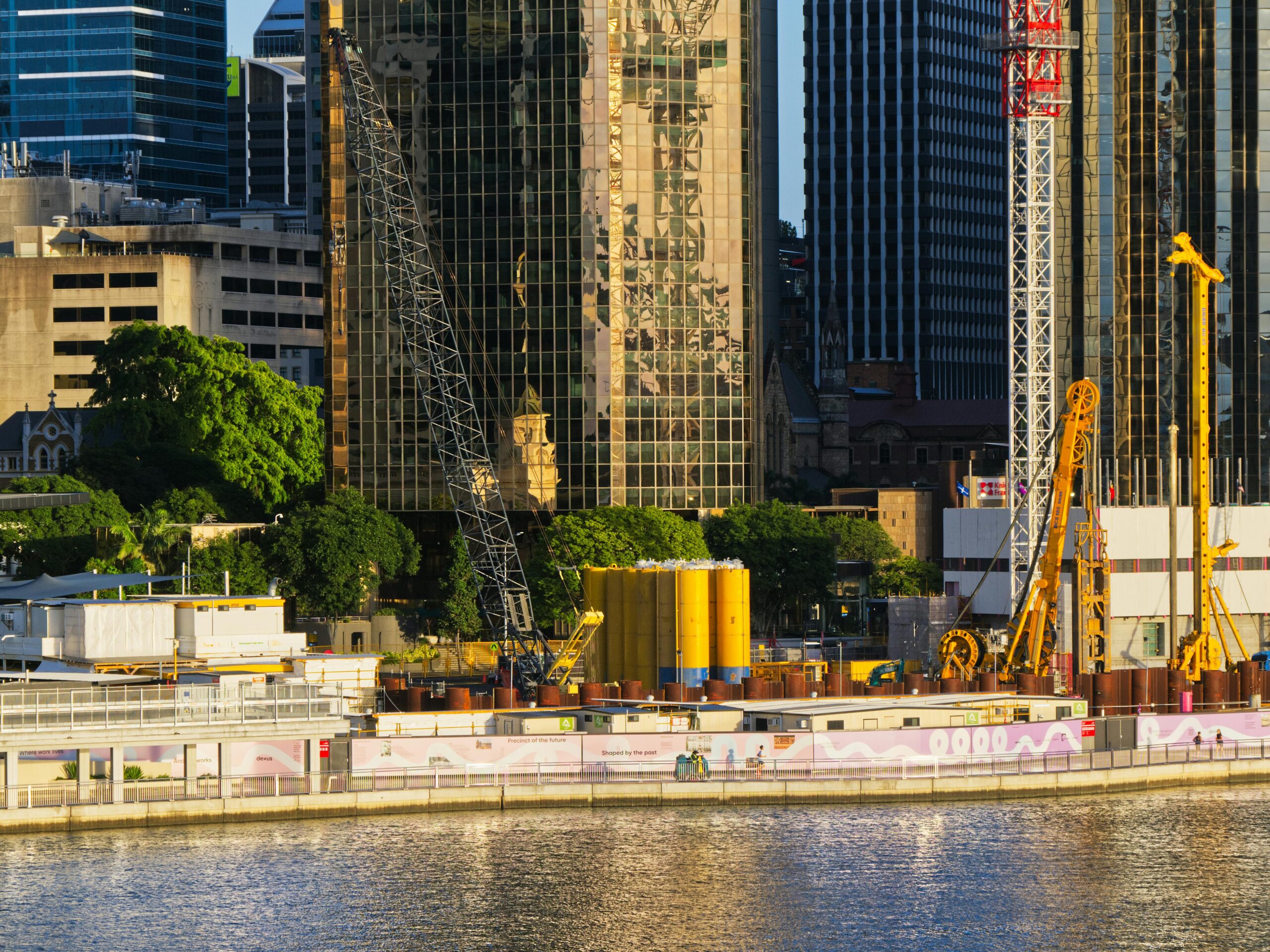
Australia’s infrastructure pipeline remains substantial heading into 2026. Transport projects, energy transition works, housing-related infrastructure, data centres and public investment continue to drive activity across multiple sectors.
At the same time, many businesses operating within construction and infrastructure are working through a more difficult commercial environment than headline investment figures might suggest.
Margins remain under pressure. Insolvencies across the sector continue to attract attention. Labour shortages, procurement challenges and contract risk allocation are influencing how projects are priced, delivered and insured.
For many construction businesses, the conversation is no longer simply about growth opportunities. It is increasingly about operational resilience, contractual discipline and understanding how risk exposure is changing as projects become larger and more complex.
Australia’s Infrastructure Pipeline Is Still Expanding
Federal and state governments continue to commit significant funding toward infrastructure delivery across transport, utilities, housing and energy transition projects.
Recent reporting suggests infrastructure spending remains elevated nationally, with major investment continuing across rail, roads, renewable energy infrastructure and housing-related projects.
Queensland in particular remains highly active ahead of Olympic-related infrastructure delivery, while energy and transmission projects continue to expand nationally.
At the same time, private sector investment in industrial assets, logistics facilities and data centres is contributing to sustained construction activity. Rider Levett Bucknall recently reported Australia’s construction sector remained near record levels through 2025, supported by energy infrastructure, apartment developments and public sector spending.
From an insurance perspective, this creates a more complex operating environment rather than a simpler one.
As pipelines grow, businesses are often managing:
- Larger subcontractor networks
- Tighter delivery schedules
- More layered contractual obligations
- Increased professional liability exposure
- Greater reliance on labour hire and temporary workforce models
- Higher asset values and rebuild costs
These pressures can influence everything from claims frequency to insurer appetite and policy pricing.
Construction Insolvencies Continue to Shape Risk Discussions
Despite ongoing infrastructure investment, insolvency pressure across the construction sector remains elevated.
Multiple industry sources continue to report high levels of builder and contractor insolvencies across Australia. Recent commentary suggests construction still represents one of the country’s highest-risk sectors for business failures.
This matters well beyond the businesses directly involved.
When insolvencies occur during major projects, the consequences often extend across:
- Principals and developers
- Subcontractors
- Suppliers
- Financiers
- Consultants
- Insurers
Projects can experience delays, cost overruns, contractual disputes and uninsured exposures if risk management arrangements have not evolved alongside project complexity.
For many businesses, insurer scrutiny has also increased around:
- Financial stability
- Contract structures
- Project governance
- Quality assurance processes
- Subcontractor management
- Cashflow controls
This is particularly relevant for contractors taking on larger projects during periods of compressed margins.
Labour Shortages and Workforce Pressure Still Matter
Workforce shortages continue to affect infrastructure delivery nationally.
Infrastructure Australia has previously highlighted the scale of labour shortages emerging across major projects, particularly within engineering, utilities and regional infrastructure delivery.
Many businesses have responded by increasing reliance on:
- Labour hire arrangements
- Subcontracted trades
- Rapid onboarding
- Interstate workforce movement
- Extended working hours
Operationally, these decisions can help projects continue moving. However, they can also increase risk exposure if governance and training processes fail to keep pace.
From an insurance perspective, workforce instability can influence:
- Workers compensation exposure
- Workplace injury frequency
- Public liability incidents
- Contractor disputes
- Fatigue-related claims
- Professional indemnity exposure in project management environments
This is one reason insurers increasingly look beyond turnover alone when assessing construction businesses.
How projects are staffed, supervised and documented has become increasingly important.
Contract Risk Is Becoming More Important Than Ever
One of the biggest shifts across construction and infrastructure over recent years has been the growing focus on contract risk allocation.
Many businesses remain exposed to:
- Broad indemnity clauses
- Uninsured contractual liabilities
- Liquidated damages exposure
- Fitness-for-purpose obligations
- Design responsibility creep
- Subcontractor gaps
As projects become larger and timelines tighten, poorly negotiated contracts can create exposures that sit well outside standard insurance structures.
This is particularly relevant for civil contractors, project managers, engineers and design-and-construct operators.
In practice, many claims disputes now involve a combination of operational, contractual and insurance issues rather than a straightforward insured event.
That is why more construction businesses are reviewing contracts alongside insurance programs rather than treating them as separate conversations.
Cost Escalation Still Affects Insurance Adequacy
Although construction cost escalation has moderated compared with earlier post-pandemic periods, replacement costs remain elevated across many sectors.
For businesses holding large plant, equipment, materials or property assets, underinsurance remains a genuine concern.
This becomes particularly important where businesses have:
- Expanded operations
- Acquired new equipment
- Entered larger projects
- Increased turnover materially
- Added new premises or temporary sites
In infrastructure and construction environments, outdated declared values can create significant shortfalls during major losses.
Many insurers are also paying closer attention to:
- Asset valuation methodologies
- Project-specific exposures
- Delay in start-up risks
- Supply chain dependencies
- Natural catastrophe exposure
Queensland businesses in particular are continuing to balance infrastructure opportunity alongside increasing weather-related risk considerations.
Cyber and Technology Exposure Is Growing On Projects
Construction businesses are becoming increasingly reliant on digital systems, connected infrastructure and cloud-based project management platforms.
As infrastructure becomes more technology-driven, cyber exposure is no longer limited to office environments.
Businesses may now hold exposure through:
- Smart infrastructure systems
- Building management platforms
- Remote access technology
- Digital engineering files
- Operational technology systems
- Third-party software providers
For larger contractors and infrastructure operators, cyber risk increasingly overlaps with operational continuity risk.
This is becoming more relevant as insurers assess how dependent businesses are on technology for project delivery and day-to-day operations.
Insurance Programs Need To Reflect Operational Reality
One of the consistent themes emerging across infrastructure and construction in 2026 is that risk profiles are changing faster than many insurance programs.
Businesses that have grown quickly, diversified services or moved into larger projects may still be relying on structures designed for a very different operating model.
In practice, effective insurance reviews increasingly involve broader operational discussions around:
- Contract structures
- Project delivery models
- Workforce strategy
- Subcontractor management
- Asset exposure
- Business continuity planning
- Supply chain reliance
This is particularly important in sectors where a single uninsured contractual issue or project disruption can materially affect profitability.
Many organisations are now reviewing insurance as part of wider commercial risk planning rather than simply an annual renewal exercise.
Final Thoughts
Infrastructure investment is likely to remain a major part of Australia’s economic landscape through 2026 and beyond.
However, sustained project activity does not necessarily reduce risk. In many cases, it increases operational complexity, contractual exposure and insurer scrutiny.
For construction and infrastructure businesses, the focus is increasingly shifting toward resilience, governance and ensuring insurance programs properly reflect how projects are actually being delivered.
If your business has taken on larger projects, expanded operations or changed delivery models recently, it may be worth reviewing whether your insurance program still aligns with your current risk profile.
Barrack Broking works with businesses across construction, infrastructure and complex operational industries to help align insurance strategy with commercial reality.
FAQs
Why are insurers paying closer attention to construction businesses in 2026?
Insurers continue to monitor construction closely due to ongoing insolvency pressure, rising project complexity, labour shortages and higher claim costs across the sector.
What insurance risks are most common on infrastructure projects?
Common exposures include contractual liability disputes, project delays, subcontractor issues, plant and equipment losses, public liability claims, professional indemnity exposures and cyber-related disruptions.
Why does contract review matter for insurance?
Certain contract clauses can create liabilities that may not be fully covered under standard insurance policies. This includes broad indemnities, liquidated damages and fitness-for-purpose obligations.
Are rising construction costs still affecting insurance adequacy?
Yes. Although inflation has moderated, replacement costs and project delivery expenses remain elevated across many parts of the market. Underinsurance remains a concern for many businesses.
How often should construction businesses review insurance programs?
Businesses should generally review insurance whenever operations materially change — including growth in turnover, new project types, interstate expansion, equipment purchases or changes in workforce structure.