
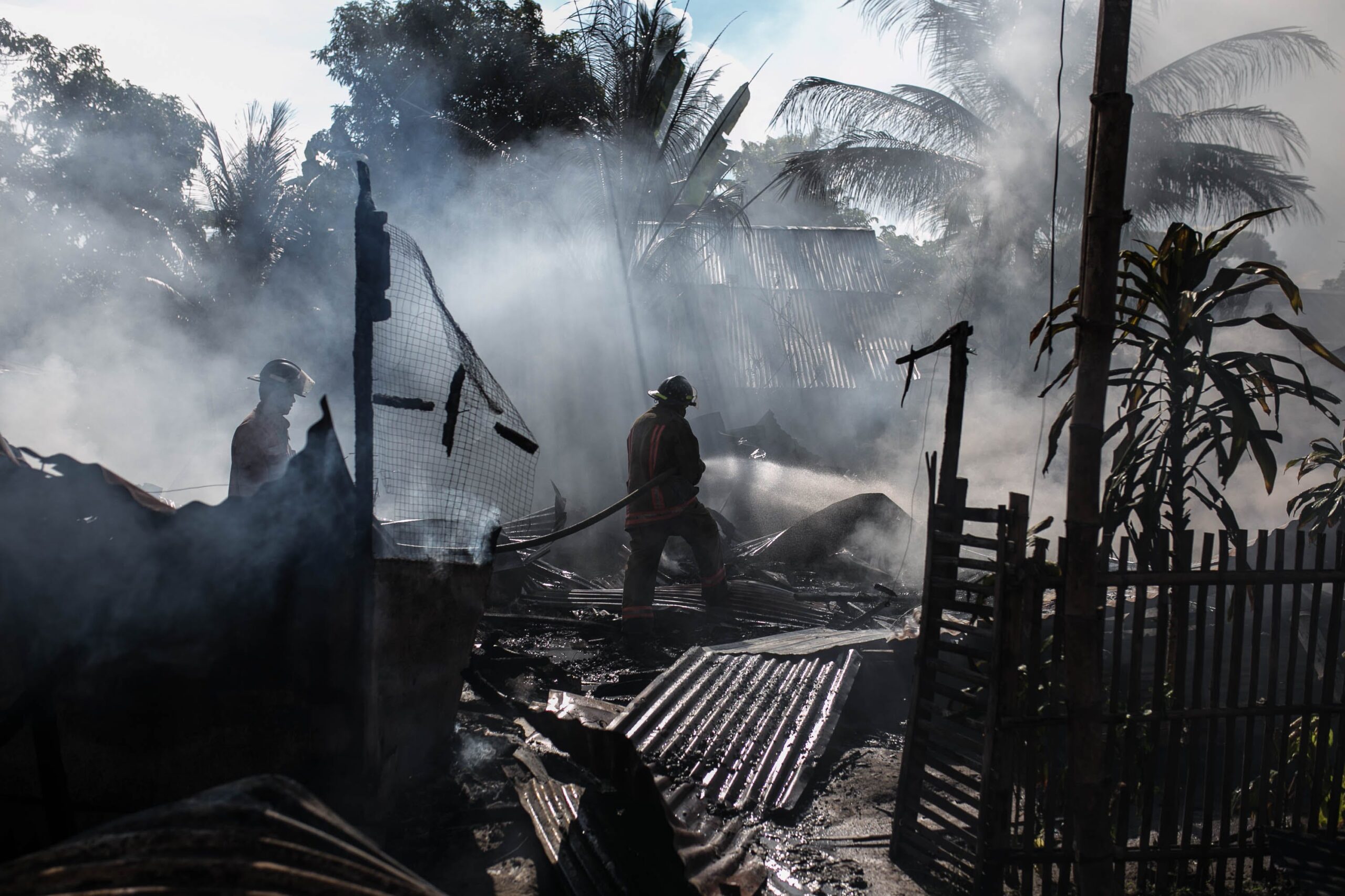
The rapid adoption of battery technology across Australia is creating a significant and growing fire risk for commercial property owners. Whether the source is a rooftop solar storage system, an electric vehicle charging station, an e-bike in a common area, or a tenant’s operational equipment, lithium-ion batteries are becoming one of the most consequential emerging hazards in the commercial property sector.
Why Battery Fire Risk Is Changing
Australia’s transition to renewable energy is accelerating the installation of battery technology across every type of property. Utility-scale battery energy storage systems (BESS) are being deployed to stabilise the electricity grid, while commercial and residential property owners are installing battery storage alongside rooftop solar at a rapidly increasing rate. At the same time, the proliferation of electric vehicles, e-bikes, e-scooters, power tools, and other lithium-ion battery-powered devices means that virtually every commercial building in Australia now hosts battery technology in some form.
The scale of the fire risk this creates is not theoretical. Fire and Rescue NSW recorded 332 lithium-ion battery-related incidents in 2025, nearly one a day. In Western Australia, there was a fire caused by lithium-ion batteries almost every second day in 2024, making it the worst year on record. The Australian Competition and Consumer Commission has received more than 230 product safety reports relating to lithium-ion batteries over a five-year period. Across Australia, fire services consistently describe battery-related fires as one of the fastest-growing fire risks facing the community, and the data shows the incident rate increasing year on year.
For commercial property owners, this is not a peripheral risk, it is a mainstream property hazard that demands specific attention in risk management planning and insurance review.
The Central Hazard: Thermal Runaway
Understanding why battery fires are so dangerous begins with understanding the science behind them. The primary fire risk associated with lithium-ion batteries is a process known as thermal runaway — a self-sustaining chain reaction in which a battery cell generates heat faster than it can dissipate it. Once thermal runaway begins, the battery produces flammable and toxic gases that can ignite, potentially causing a fire or explosion that spreads rapidly to adjacent battery units or other building materials.
What makes thermal runaway so challenging from a property risk perspective is that, once initiated, there is currently no widely accepted method to stop a lithium-ion battery fire. In many cases, the only available response is to allow the fire to burn out while focusing on preventing spread — a scenario that can result in extensive property damage and prolonged business disruption.
The situation is compounded by changes in battery cell technology. As individual cell capacity has grown, the failure of a single cell can now produce sufficient flammable gas to create a hazardous atmosphere within a battery enclosure — a threshold that previously required multiple cell failures to reach. This means the risk profile of modern high-density battery installations is not directly comparable to earlier technology.
Conventional fire suppression systems are not designed for lithium-ion battery fires. Clean agents and aerosols that are effective against conventional electrical fires do not stop thermal runaway once it is underway. This is a critical distinction that building owners and their fire safety advisers need to understand when assessing whether existing fire protection infrastructure is adequate for the battery technology now present in their building.
Battery Risks Specific to Commercial Property
While battery fire risk affects all property types, commercial buildings present a particular set of exposure scenarios that property owners should be across. Strata committees should raise battery storage with their strata insurance broker before renewal.
Building-integrated battery energy storage systems
As solar installations become standard on commercial rooftops, battery storage systems co-located with those installations are increasingly common. These systems — ranging from small commercial units to substantial energy storage installations — present fire risks that are meaningfully different from conventional electrical equipment. The location of the battery system relative to the building structure, other tenancies, and fire exits has direct implications for how a fire event would unfold and what damage could result.
Electric vehicle charging infrastructure
The installation of EV charging stations in commercial car parks and loading areas is accelerating. While the charging station itself is not the primary hazard, the vehicles connected to it are. A lithium-ion battery fire in a vehicle within an enclosed car park, or adjacent to a building facade, presents a significant structural fire risk. NSW strata reforms that came into effect in mid-2025 prevent owners corporations from blocking EV charger installations on aesthetic grounds alone, meaning the volume of EV charging in commercial and mixed-use buildings is likely to increase.
Tenant-operated battery equipment
Many commercial tenants operate battery-powered equipment as part of their business — from forklifts and warehouse machinery to data centre UPS systems and telecommunications backup power. The charging infrastructure for this equipment, if not properly maintained and managed, is a recurring source of battery fire incidents in commercial and industrial buildings. Landlords who are not across what their tenants are operating and charging on the premises may be unaware of the battery hazard profile within their own building.
Mobility devices in common areas
E-bikes and e-scooters are increasingly being stored and charged in commercial building common areas, car parks, and loading docks — by tenants, employees, and delivery personnel. In South Australia, around one in four battery fire incidents in the first half of 2025 involved mobility devices. For a commercial property owner, a fire ignited by an e-bike charging in a basement car park or common area represents a significant property and liability exposure.
Higher-density installations and proximity risk
Where multiple battery systems or units are installed in close proximity — whether in strata industrial buildings, technology facilities, or retail centres with rooftop solar storage — the risk of fire spreading between units increases. The separation distance between battery systems is a key variable in how a fire event escalates, and reduced separation in higher-density installations can significantly amplify the potential loss.
Risk Management Recommendations for Commercial Property Owners
While a battery fire, once started, may be difficult to suppress, there is a well-developed set of preventive and mitigation measures that can materially reduce both the likelihood and the severity of an event. The following represent the key risk management steps relevant to commercial property owners.
- Conduct a Battery Risk Audit of Your Property
Identify all battery systems present in your building — including building-integrated storage systems, EV charging stations, tenant equipment, and mobility devices being charged in common areas. Many property owners underestimate the volume and diversity of battery technology now present in their buildings. A clear inventory is the foundation of an effective risk management response.
- Ensure Appropriate Separation and Siting
Where battery systems are installed, the physical separation between individual units and between the battery installation and the building structure matters significantly. Insurers typically expect a minimum separation distance between battery containers and other units or structures. Where indoor battery installations are involved, the siting of the battery system relative to fire exits, occupied areas, and other high-value assets requires specific assessment.
- Install Early Detection and Monitoring Systems
Given that thermal runaway cannot be stopped once initiated, early detection is the most important line of defence. Off-gas detection systems — which identify the gases produced by a battery in distress before thermal runaway fully develops — provide the earliest possible warning and the best opportunity to intervene or evacuate. Battery management systems that monitor individual cells and flag abnormal conditions are an expected feature of any well-managed battery installation.
- Implement Appropriate Ventilation
Mechanical ventilation systems that can extract and expel the flammable gases produced by a battery prior to and during a thermal runaway event are an important mitigation measure for enclosed battery installations. Allowing these gases to accumulate within a confined space significantly increases the risk of ignition and explosion.
- Install Deflagration Panels Where Required
Deflagration panels are pressure-relief devices installed in battery enclosures to relieve the pressure generated by an explosion before structural damage to the container or building occurs. For enclosed battery installations, these represent an important final mitigation measure to limit the structural consequences of a thermal event.
- Review Tenant Lease Conditions and Consent Processes
Property owners should review whether their lease agreements address tenant obligations regarding the storage and charging of battery-powered equipment on the premises. Establishing notification and consent requirements for significant battery installations — and maintaining a documented record of what is being operated within the building — is both a risk management measure and a matter of insurance disclosure.
- Brief Your Fire Warden and Emergency Response Team
Building fire wardens and emergency response personnel need to understand that a battery fire may behave very differently from a conventional fire and that standard suppression approaches may not be appropriate. Ensuring that emergency procedures reflect the battery hazard profile of the building is an important step that is often overlooked.
- Ensure Regulatory Compliance for Battery Equipment
Regulations covering the sale, installation, and certification of lithium-ion battery-powered devices are tightening across Australian states. In NSW, from February 2026, all e-bikes must carry permanent certification labels on the frame, with fines of up to $825,000 for corporations selling non-compliant products. Property owners and building managers should be aware of the regulatory requirements applicable to battery equipment in their building and ensure that tenants and building users are operating compliant devices.
What This Means for Your Commercial Property Insurance
Battery technology is reshaping how the insurance market assesses and underwrites commercial property risk. Property owners with battery systems on their premises — or tenants who operate significant battery-powered equipment — need to be aware of several insurance considerations.
Disclosure is essential
Battery systems and EV charging infrastructure are material facts that must be disclosed to your insurer. A property owner who fails to disclose the presence of a significant battery storage installation may find that coverage is affected at the time of a claim. This applies equally to the installation of new battery systems mid-policy — your broker should be notified of any material change to your property’s risk profile.
Standard property policies may not be adequate
Conventional commercial property insurance is not designed with battery fire risk in mind. Depending on the scale and nature of the battery technology present in your building, a standard policy may not respond adequately to a thermal runaway event — particularly where the fire causes damage to an adjacent building, results in extended business interruption, or involves environmental contamination from battery chemicals.
Insurers are increasingly requiring documented risk management
The insurance market for properties with significant battery installations is becoming more rigorous in its underwriting requirements. Documented evidence of battery management systems, off-gas detection, appropriate separation, and emergency procedures is increasingly expected as a condition of coverage. Properties that cannot demonstrate proactive risk management may face restricted coverage, higher premiums, or difficulty placing the risk.
Indoor installations attract heightened scrutiny
Insurers typically apply greater scrutiny to indoor battery installations than to outdoor, separated systems. A battery storage system installed inside a building — particularly in a mixed-use or occupied commercial property — will attract specific underwriting assessment. The design, containment, monitoring, and fire protection measures in place will directly influence whether coverage is available and on what terms.
Business interruption exposure can be significant
A thermal runaway event in a commercial building has the potential to render part or all of the premises unusable for an extended period, affecting not only the property owner’s rental income but also the operations of multiple tenants. Understanding whether your loss of rent and business interruption coverage is adequate for the potential duration and scope of a battery-related shutdown is an important review exercise.
Barrack Broking: Specialist Advice for Commercial Property Owners
Battery risk is an emerging risk in commercial property insurance. A standard renewal process that does not specifically address the battery technology present in your building may leave you with coverage gaps that only become apparent at the time of a claim.
At Barrack Broking, we work with commercial property owners across Australia as a specialist commercial property insurance broker, with experience in placing complex and emerging property risks including those arising from battery energy storage, EV infrastructure, and industrial battery operations. We understand how insurers are approaching battery risk in the current market, what documentation and risk management measures they expect to see, and how to structure coverage that responds to the actual risk profile of your property.
If you own or manage commercial property that includes battery storage systems, EV charging infrastructure, or tenants with significant battery-powered operations, we recommend a specific conversation about whether your current insurance arrangements are adequate.
To discuss your commercial property insurance, contact Barrack Broking on 1300 605 101 or visit our commercial property insurance broker page to find out more.
Get in touch with Barrack Broking →
*This Risk Tip is general information only and does not constitute financial product advice. Property owners should seek specific advice from a qualified insurance broker and, where appropriate, a qualified fire safety engineer regarding the battery risks and insurance requirements applicable to their specific property.